
Why Weight Training Matters Before & After Joint Replacement


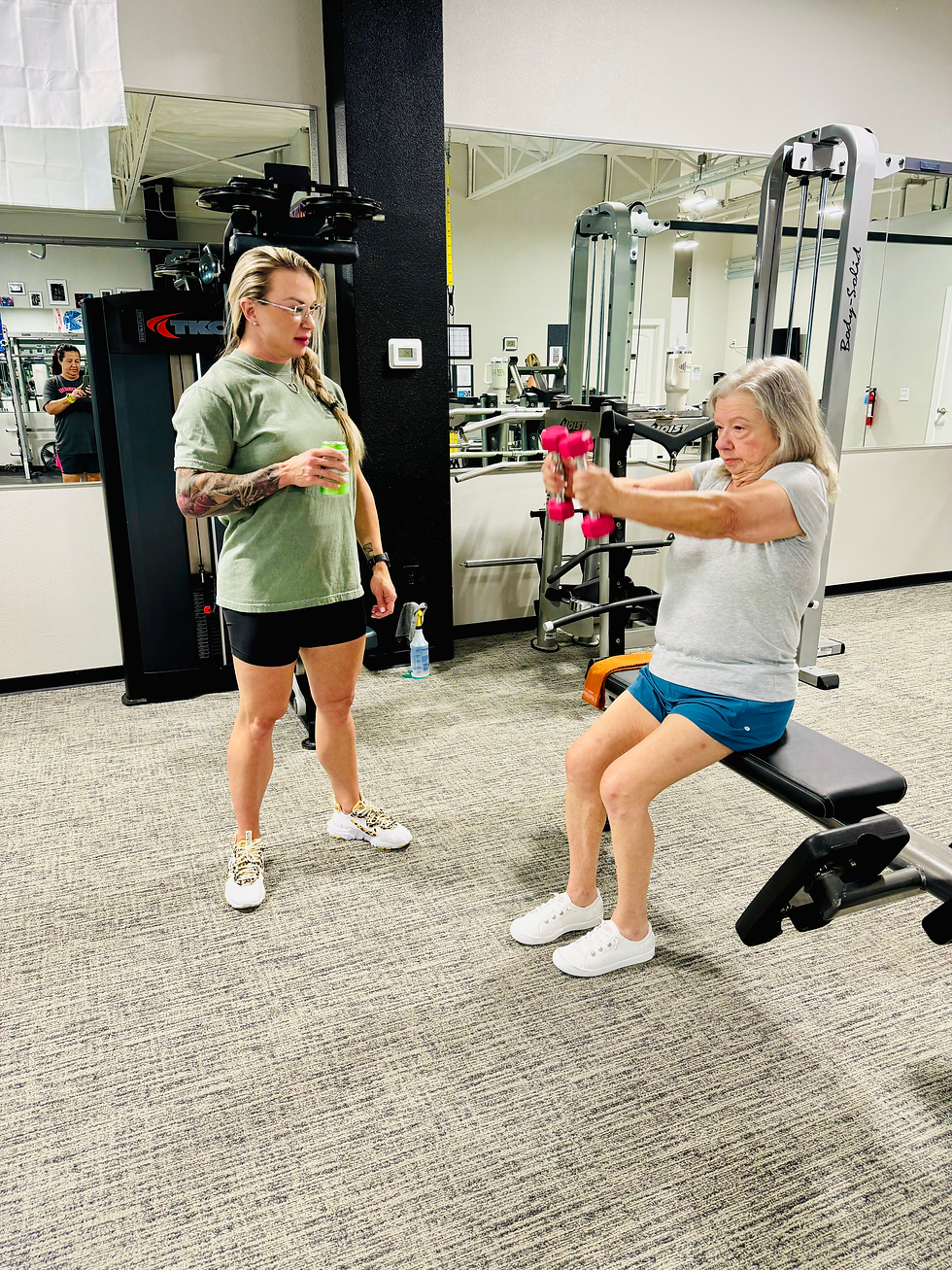
If you’ve been told you need a hip, knee, or shoulder replacement, it’s easy to feel nervous about what life will look like on the other side. But here’s the truth: one of the most powerful tools you have for both recovery and long-term mobility is lifting weights.
Before Surgery: Building a Strong Foundation
Think of your muscles as the “support team” for your new joint. The stronger they are going into surgery, the easier it will be for you to bounce back:
• Stronger muscles = less stress on your joints
• Better balance & stability = reduced risk of falls
• Faster recovery = your body already knows how to move under resistance
Pre-surgery strength training is like preparing the soil before planting—it sets the stage for healing. We suggest adding in weight training at least 12 weeks before surgery.
After Surgery: Rebuilding Confidence & Strength
Once cleared by your doctor and physical therapist, lifting weights becomes a key part of your comeback story.
• It helps regain mobility and function in your daily life.
• It keeps bone density strong, protecting against future injuries.
• It restores not just your body, but also your confidence and independence.
Motivation Matters
It’s not just about “rehab exercises.” It’s about training for the life you want to live—playing with grandkids, hiking trails, or simply walking without pain. Weight training is your ticket back to freedom and energy.
So, whether you’re preparing for surgery or already on the road to recovery, remember: lifting weights isn’t just building muscle, it’s building your future.
Don’t know where to start? Contact us! We would love to help you get stronger before, and back to your daily routines after surgery.


Comments